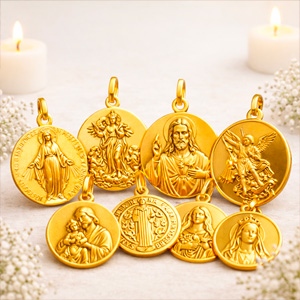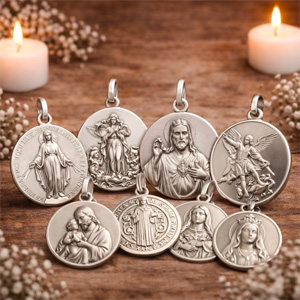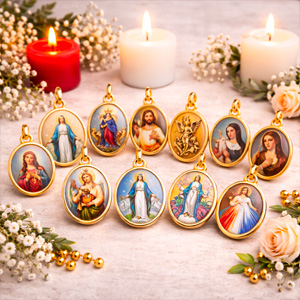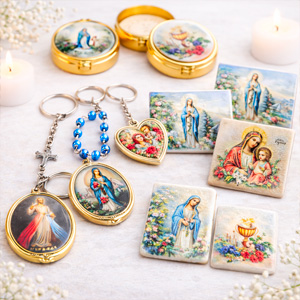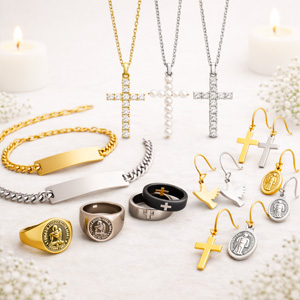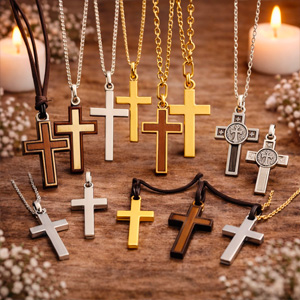
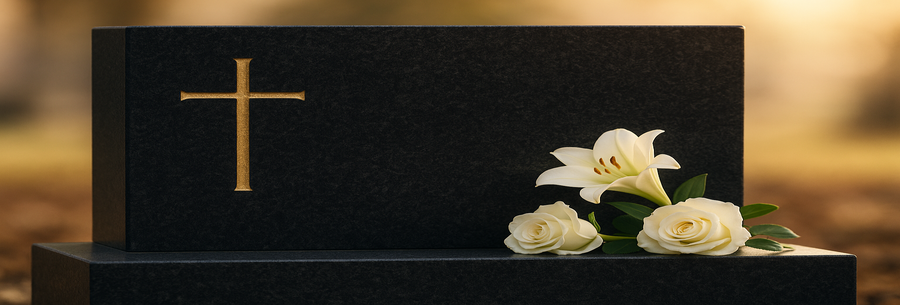
A funeral plaque is much more than a simple decorative object: it is a symbol of love, remembrance and respect for someone who has passed away. Placed on a grave, it becomes a visible testimony to the bond that continues to unite the living with those who have left them. Through the words, images and symbols it bears, the funeral plaque tells a story, the story of a life, a memory and an attachment that never fades.
An eternal tribute to the memory of a loved one
Choosing what to inscribe on a funeral plaque is a delicate gesture, charged with emotion. It involves expressing, in a few words, everything we feel: grief, love, gratitude, but also hope.
The role and significance of the funeral plaque
A funeral plaque first and foremost serves to personalise a resting place. It recalls the identity of the deceased, evokes his or her personality or career, and serves as a support for prayer and remembrance.
It is also a means of softening the silence of the cemetery by bringing a word, a light, a message of love.
Some plaques are sober and discreet, others more artistic or symbolic. It all depends on the message the family wishes to convey and the personality of the deceased.
The essential elements to be inscribed
There are no strict rules for composing a funeral plaque, but certain elements are traditionally present:
The surname and first name of the deceased
This is the heart of the plaque. A title or affectionate appellation may be added: Daddy Dearest, Our Beloved Grandmother, Our Faithful Friend, etc.
The dates of birth and death
These help to situate the deceased's life in time and recall the concrete trace of their passage on earth. Some families prefer to indicate only the year, while others specify the exact dates.
An epitaph or memorial phrase
This is often the most moving part. A short sentence, chosen with care, expresses the essence of what you want to say to the deceased or what he or she has left in the hearts of his or her loved ones.
Examples:
For ever in our hearts
Your memory lives on
We will never forget you
May your rest be sweet as your heart was kind
You are gone, but your smile remains
Rest in peace in God's light
A biblical quotation or verse
For believers, a spiritual word gives the plaque a dimension of faith and hope.
Examples:
"I am the resurrection and the life" (John 11, 25)
"Love is stronger than death" (Song of Solomon 8, 6)
"May your soul rest in the peace of the Lord"
"God will wipe away every tear from their eyes" (Revelation 21, 4)
A personal message
Some families choose to leave a more intimate note, often written in the first person or on behalf of the family.
Examples:
Your children will always love you
Thank you for your love and gentleness
You will remain our light in the shadows of time
Symbols and images to be engraved or added
The funeral plaque can also include religious or spiritual symbols depending on the beliefs of the deceased or their family :
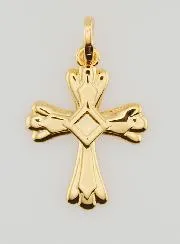
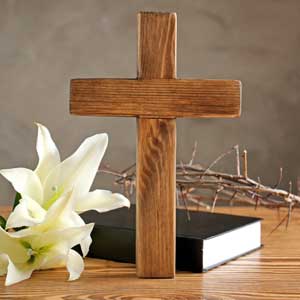
A cross, symbol of faith and resurrection;
A dove, sign of peace and hope;
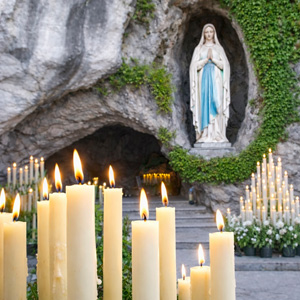
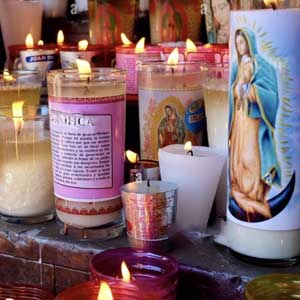
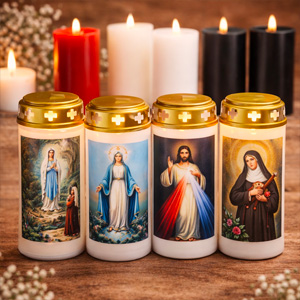
A candle, symbol of eternal light;
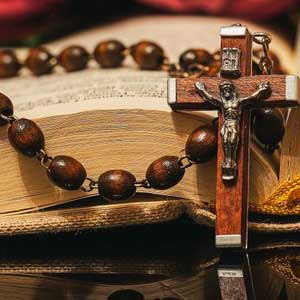
A rosary or Virgin Mary, for the deceased of Catholic tradition;
A tree, representing life and continuity;
A flower (rose, lily, daisy...) symbolising purity, tenderness or eternal love.
Many modern plaques also allow a photo of the deceased to be added, engraved or inlaid in the stone. This portrait gives a face to the memory, making the presence closer and more real.
The style and form of the text
The text inscribed on the funeral plaque should be short but sincere. It does not need to be literary: what counts is the truth of the sentiment.
Some choose solemn wording, others simple words, as one would speak to the deceased:
"Mum, you remain in our thoughts every day. "
"To our brother, our friend, our fellow traveller."
"You sowed so much joy and goodness around you."
The handwriting, typography and colour of the text also contribute to the emotion. Gold lettering on black granite gives a noble, classic look, while white engravings on light-coloured stone add softness and luminosity.
The choice of plaque material and style
The background and shape of the plaque influence how the text is perceived.
Granite remains the most common material: durable, sober and weather-resistant.
Glass, which is more modern, allows for plays of transparency and light.
Marble symbolises purity and solemnity.
Metal or ceramic offer original possibilities for personalisation.
Plaques can be rectangular, in the shape of a heart, an angel, an open book or a cross. Each expresses tenderness, faith or attachment in its own way.
Some ideas for wording depending on the links
For a parent:
To our dear mother, your love remains engraved in our hearts.
Dad, your courage and kindness are with us every day.
For a child:
Little angel, you lit up our lives all too briefly.
Your smile now shines among the stars.
For a husband or wife:
To my beloved husband, your love lives on in me.
To my sweet wife, your memory remains my strength.
For a friend:
Your friendship was a gift that time cannot erase.
You will remain forever in our thoughts and prayers.
A spiritual process above all
Choosing the text and symbols for a funeral plaque is not just an aesthetic act: it is a spiritual and emotional process. It's a way of saying to the departed person that they remain present, that they continue to live in remembrance, in faith and in love.
Each engraved word becomes a silent prayer, each symbol a hope. The funeral plaque then becomes a meeting place between memory and faith, between earth and heaven.