
The origin of the Miraculous Medal
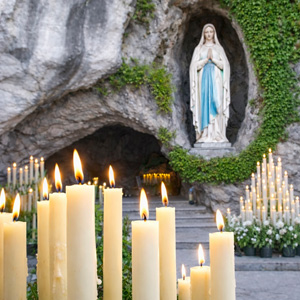
The Miraculous Medal has its origins in the apparitions of the Virgin Mary to Saint Catherine Labouré in 1830 at the Chapel of the Rue du Bac in Paris. Mary asked her to have a medal struck according to the model she showed her, promising great graces to those who wore it with faith. The medal quickly spread and was associated with numerous conversions and spiritual testimonies, earning it the name "miraculous medal".
A medal rich in symbolism
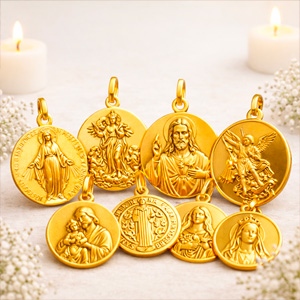
Each element of the Miraculous Medal has a specific meaning. On the obverse, the Virgin Mary is depicted standing with her arms open, rays of light streaming from her hands, symbolising the graces granted to those who ask for them. Around her is the invocation "O Mary conceived without sin, pray for us who have recourse to you."
On the reverse side is the letter M surmounted by a cross, as well as the two hearts of Jesus and Mary, recalling their union in love and sacrifice. The twelve stars surrounding the medal refer to the twelve apostles and Mary's crown of glory. A sign of protection and trust The Miraculous Medal is often worn as a sign of spiritual protection. It is not a magical object, but an invitation to prayer and trust in the intercession of the Virgin Mary. Many of the faithful wear it in times of doubt, trial or important decisions, as a reminder that Mary accompanies each person on their journey.
A medal for all moments of life
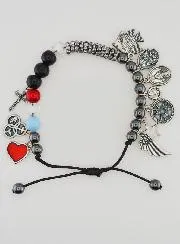
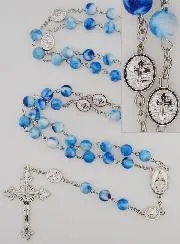
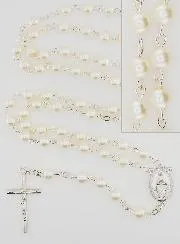
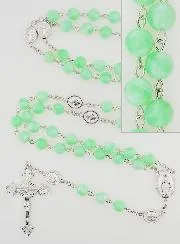
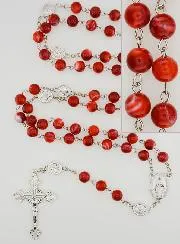
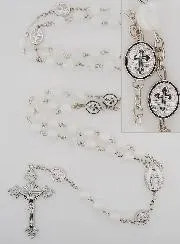
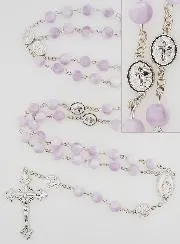
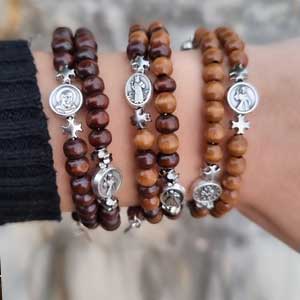
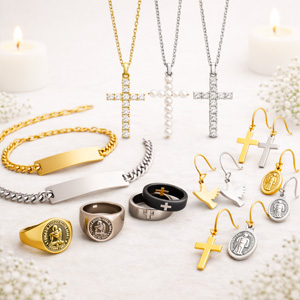
Given at baptism, communion, confirmation or simply worn every day, the Miraculous Medal has stood the test of time and generations. It can be worn alone or with a chain, rosary or other religious symbol. Its simplicity makes it a medal accessible to all, regardless of age or faith journey. Its simplicity makes it a medal accessible to all, regardless of age or faith journey. It reminds us that prayer can be simple, discreet, almost silent, but deeply rooted in the heart. Day after day, it invites us to turn to Mary and, through her, to Christ.