A heavenly sign for the world
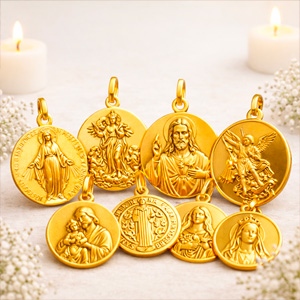
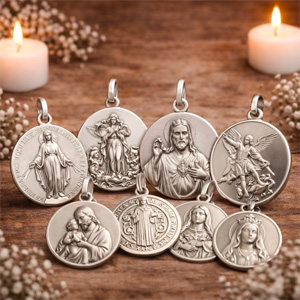
Among the many sacramentals of the Catholic Church, the Miraculous Medal occupies a unique place in the hearts of the faithful. Renowned for its countless graces, this medal is not a magical object, but a sign of protection, conversion and living faith, given by the Virgin Mary herself to a humble nineteenth-century nun.
Worn with confidence, it becomes an instrument of grace, a reminder of Mary's maternal presence and a call to live according to the Gospel.
The apparition to Saint Catherine Labouré
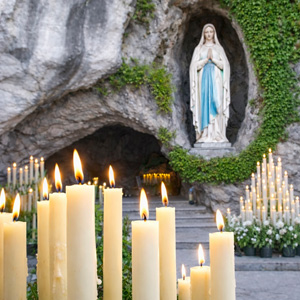
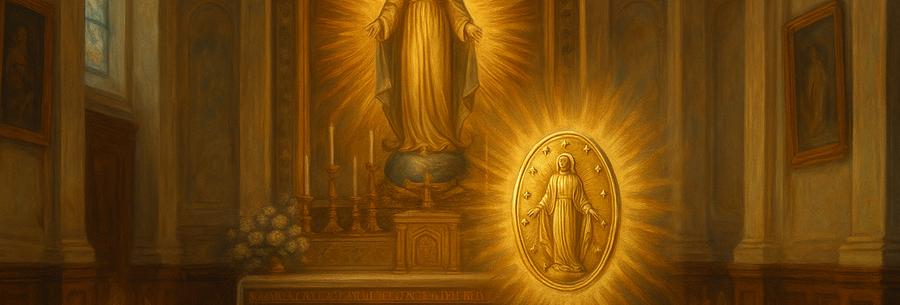
It all began in 1830 in Paris, at the convent of the Daughters of Charity, rue du Bac. A young novice, Catherine Labouré, received several apparitions from the Virgin Mary. On 27 November, the Blessed Virgin appeared to her standing on a globe, crushing a snake beneath her feet, her hands outstretched with rays of light streaming from them, symbols of the graces she bestows on those who ask for them.
Around her, an inscription forms an oval:
"O Mary conceived without sin, pray for us who have recourse to you. "
The Virgin then asked for a medal to be made according to this vision, with a large "M" surmounted by a cross on the reverse, below which are two hearts: one surrounded by thorns (the Sacred Heart of Jesus), the other pierced by a sword (the Immaculate Heart of Mary).
Mary promised Catherine:
"Those who wear it with confidence will receive great graces."
The spread of the medal
The medal was struck in 1832, at the height of the cholera epidemic in Paris. Very quickly, healings, conversions and protections multiplied. People began to call it a "miraculous medal", because of the many prodigies that accompanied it.
This success was not due to the medal itself, but to the faith of the people who wore it and to the intercession of the Virgin Mary, mediatrix of all graces.
The Church recognised the authenticity of the apparitions, and Saint Catherine Labouré was canonised in 1947. Her body still rests in the chapel on rue du Bac, which has become a place of pilgrimage.
A powerful sacramental
As a sacramental, the miraculous medal is blessed by a priest and used as a visible sign of faith. It does not confer sanctifying grace like a sacrament, but disposes the heart to receive it, stimulating trust, prayer, repentance and surrender to God.
It is:
A sign of Mary's protection, against spiritual and physical evil
A call to conversion, holiness and trust in divine mercy
A constant reminder of God's love and the spiritual motherhood of the Virgin
Many of the faithful testify to consolations, returns to the faith, healings or inner peace received through this medal, worn in prayer and humility.
Symbolic elements of the medal
Each detail of the medal carries a profound meaning:
The front:
Mary crushes the serpent: victory over evil
The rays from her hands: graces offered to souls
The globe beneath her feet: her spiritual reign over the world
The invocation: profession of faith in the Immaculate Conception, a dogma proclaimed in 1854
The reverse:
The "M" and the cross: Mary united to the redemptive mission of her Son
The two Hearts: Jesus and Mary in their suffering love for humanity
The twelve stars: the apostles, the Church, and the heavenly crown (Revelation 12)
How to wear the miraculous medal
The medal must be worn with faith, trust, and piety. It is not a good luck charm, but a help to grow in the Christian life. It can be worn around the neck, sewn onto a garment, slipped under the pillow of a sick person, or entrusted to a person in distress.
It is recommended to:
Have it blessed by a priest
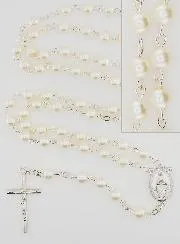
Pray to Mary every day, by reciting the Marian invocation or the rosary
Live in accordance with the Gospel, seeking to love God and our neighbour
A maternal presence in our lives
The Miraculous Medal is a sign of hope in the darkness. It reminds us that Mary is near, that she watches over us, that she intercedes unceasingly for her children. It does not promise the absence of suffering, but it gives us the strength to go through trials with faith.
Wearing it, Christians place themselves under Mary's mantle, and say to her:
"Mother, I trust you. Help me to follow Jesus and to love like him."