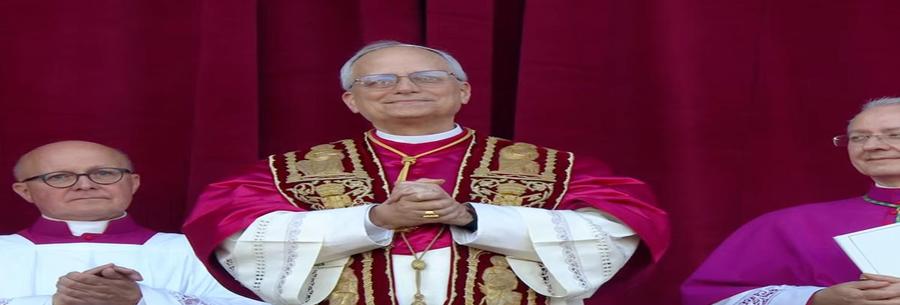
A name that resonates with history
When a pope is elected, one of his first symbolic gestures is to choose a reigning name. This name is never chosen at random: it reflects a legacy that the new pontiff wishes to assume, extend or reinterpret. By opting for the name Leo XIV, the new pope is inscribing his pontificate in a prestigious but not very recent lineage. The last pope to bear this name was Leo XIII, who died in 1903, known for his commitment to social issues, his defence of workers and his encyclical Rerum Novarum.
By taking up this name again after more than a century, Leo XIV is sending a strong message: he intends to echo this tradition of a pope attentive to social challenges, close to the realities of the people, concerned with justice and the balance between progress and human dignity. This choice is therefore more than a tribute: it is a declaration of intent.
A name associated with firmness and doctrinal clarity
The name Leo also evokes a charismatic figure from the fifth century: Leo I, known as "the Great". This pope left his mark on history through his theological firmness and his ability to affirm the central role of the see of Rome in the universal Church. In particular, he is famous for having convinced Attila the Hun not to invade Rome, an act that has become emblematic of the Pope's courage and spiritual authority in the face of earthly powers.
Leon XIV, in choosing this name, is also following in this footsteps of a pastor strong in the faith, firm in his positions, able to speak clearly to the world even in times of crisis. At a time when the Church is going through internal tensions and global challenges (wars, poverty, ecological crisis, loss of spiritual bearings), this name resonates as a reminder of Rome's mission: to be a voice of truth and unity.
A desire to unite past and present
Choosing an old name like Leo, but associating with it a totally new face - that of an American pope, with a humble personality and modern language creates a strong but assertive contrast. Leo XIV seems to want to combine the authority of tradition with the freedom of the present. He has not come to erase the past, but to reread it in the light of today.
In his first homilies and public addresses, he has also quoted his predecessors several times, but linking them to contemporary concerns: precariousness, migration, youth, digital technology, ecology. He uses the name Leo as a foundation, but not as a museum: he wants to bring this heritage to life in God's today.
A pastoral rather than an identity choice
Some observers had speculated about a more "disruptive" or more personal choice of name, which would have emphasised his American nationality or his particular sensibility. But Leo XIV surprised many by opting for a name with strong European and Roman roots. This gesture can be seen as an act of fidelity to the universality of the Church, beyond cultural identities. He is not the Pope of the United States: he is the Bishop of Rome, successor of Peter, servant of the servants of God.
This choice also reflects a pastoral concern: to avoid dividing or causing controversy from the moment the pontificate is announced. By relying on a name that is already respected, one that evokes solidity, wisdom and commitment, he seeks to bring people together rather than divide them. He knows that the world is watching, that Catholics are hoping, and that the name of a pope already carries hope.
A blank page to be written, a breath to be carried
Finally, the name Leo XIV opens a page that is still blank. It will only have a profound meaning through the deeds, words and decisions that this new pope will write into history. But what is already certain is that Leo XIV wanted this name to mark a fidelity and a demand: to remain rooted in the strength of tradition, while boldly treading new paths. A pontiff who looks back in order to move forward more effectively.