Discover the Presentation of the Virgin Mary in the Temple, the Marian feast day on 21 November, its origins, its spiritual significance and what it teaches us about trust in God.
The Presentation of the Virgin Mary: offering one’s life to God with trust
On 21 November, the Catholic Church celebrates the feast of the Presentation of the Virgin Mary. This Marian feast invites us to contemplate Mary in her childhood, wholly open to God and ready to fulfil His will.
The Presentation of the Virgin Mary is not recounted in the four Gospels. It forms part of an ancient Christian tradition, notably handed down through the Protoevangelium of James. But beyond the narrative itself, the Church contemplates an essential spiritual truth: Mary is the one who welcomes God with a free, humble and trusting heart. She thus becomes the living temple in which the Word of God will come to dwell.
This feast is particularly meaningful for all those who wish to entrust their lives, their families, their plans or their concerns into the Lord’s hands. Mary teaches us that giving oneself to God does not mean losing one’s freedom, but finding the path to a deeper peace.
An ancient tradition of the Church
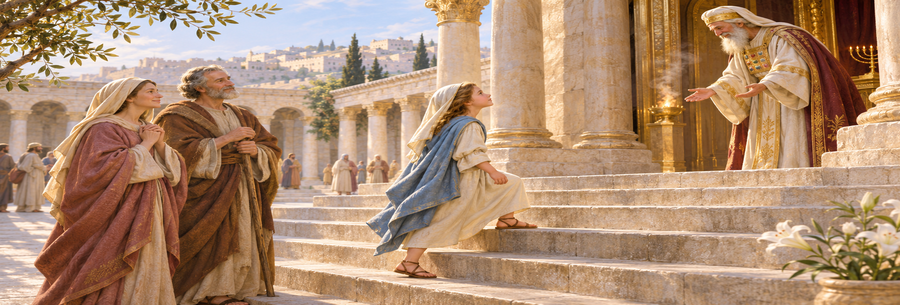
According to an ancient Christian tradition, Anne and Joachim, Mary’s parents, are said to have taken their child to the Temple in Jerusalem to consecrate her to God. Mary, then still very young, was welcomed into the holy place as a sign of thanksgiving and trust.
This account is not found in the canonical Gospels. It should therefore not be read as a historical account in the modern sense of the term. The Church does not celebrate this feast to impose a biographical detail concerning Mary’s childhood. Rather, it embraces an ancient tradition, born of prayer and contemplation, which expresses something true about the person of the Virgin.
From the very beginning, Mary was wholly turned towards God. She is the one who will listen to the angel in Nazareth, who will respond with trust to the Lord’s call, and who will give Jesus Christ to the world. The Presentation of the Virgin Mary thus helps us to view her entire life as a loving response to God.
This feast has been celebrated in the East since the early Christian centuries. It subsequently spread to the West, where it came to occupy an important place in Marian devotion. For generations, the faithful have seen it as an invitation to offer their lives to God with simplicity and joy.
Mary, the living temple of God
The Temple in Jerusalem occupied a central place in the faith of the people of Israel. It was the place of prayer, worship and God’s presence amongst his people. In Christian tradition, Mary is often called the ‘living temple of God’, because she carried Jesus, the Son of God made man, within her.
This image is deeply meaningful. Mary is not merely the one who enters the Temple; she herself becomes a dwelling place offered to God. In her, God comes to dwell amongst humankind. Through her ‘yes’ at the Annunciation, she welcomes the Saviour with complete trust.
The Presentation of Mary therefore already prepares us to contemplate the mystery of Christmas. Before Jesus was born in Bethlehem, Mary was inwardly ready. Her heart is open, attentive and ready to fulfil the Father’s will.
This feast reminds us that God does not seek perfect or luxurious dwellings. He seeks hearts that consent to receive him. Every Christian, through baptism, is called to become a dwelling place of the Holy Spirit. This vocation is lived out in prayer, in the sacraments, in forgiveness and in service to others.
Anne and Joachim: the trust of parents
The tradition of the Presentation of the Virgin Mary also highlights Anne and Joachim. These parents do not seek to possess their child or to confine her future to their own plans. They recognise that Mary is a gift received from God.
Their gesture symbolises the trust of parents who entrust their child into the Lord’s hands. This trust is not a cold or distant abandonment. It is an act of profound love. It consists of asking God to accompany the child, to protect them, to guide them and to nurture within them all that is most beautiful.
This feast can resonate with many families. Parents often harbour great hopes for their children, but also worries. They wish to see them happy, protected, surrounded by love and able to find their place in the world.
Anne and Joachim remind us that prayer is one of the most beautiful gifts a parent can offer. Entrusting a child to God does not mean giving up on supporting them. It means recognising that God’s love is greater than all our fears and that his presence can illuminate even the most uncertain paths.
Mary’s openness to God’s will
The great lesson of this feast is Mary’s openness. She does not yet know the events that will shape her life. She does not know that she will become the Mother of the Saviour. She does not know the joys of Bethlehem, the anxieties of exile, the hidden years in Nazareth, nor the pain of Calvary.
Yet her heart already belongs to God. She moves forward with confidence, without understanding everything, but knowing that the Lord is faithful.
This attitude is very precious in our daily lives. We would often like to know the future, to control events and to be assured that our plans will come to fruition as we hope. But faith does not consist in foreseeing everything. It consists in walking with God, one day at a time.
Mary does not ask us to have all the answers. She invites us to say, as she did, a renewed ‘yes’ in the little things: yes to prayer, yes to forgiveness, yes to patience, yes to charity, yes to trust when the future worries us.
Mary’s openness is active. She does not remain still. She sets out on her journey, she serves Elizabeth, she watches over Jesus, she remains with the disciples. Giving oneself to God always leads to loving others more.
A Marian feast that speaks of vocation
The Presentation of the Virgin Mary is often associated with vocation. It reminds us that every human life is called by God. This vocation can take many different forms: family life, marriage, the priesthood, consecrated life, service to the poor, work carried out with integrity, involvement in a parish, or a faithful presence alongside someone in need.
God does not call only a few exceptional people. He extends a personal invitation to each of us to live in love. A vocation is not primarily a role or a status; it is a way of responding to God with one’s own life story, talents and limitations.
Mary is the model for every Christian vocation, because she accepts God’s call without seeking to put herself forward. She does not rely on her own strength. She trusts in grace.
This feast day can be a wonderful opportunity to pray for young people seeking their path, for those discerning a vocation, for families and for all those wondering how to give greater meaning to their lives.
The Presentation of Mary and Consecrated Life
21 November is also traditionally associated with prayer for cloistered nuns and for all consecrated persons. These women and men choose to give their lives to the Lord through prayer, work, fraternal life and service.
The contemplative life may seem far removed from the concerns of the world. Yet it carries the world in prayer. In monasteries, religious communities entrust to the Lord families, the sick, those who are lonely, victims of war, the deceased and all the intentions entrusted to them.
The Presentation of Mary reminds us of the value of this hidden prayer. The world needs concrete action, but it also needs people who intercede, who keep vigil and who, through their lives, remind us that God is present.
This day can be an opportunity to pray for monasteries, for consecrated persons and for all those who give their lives to Christ in silence and fidelity.
How can we live out this commemoration in our daily lives?
The Presentation of the Virgin Mary can be observed in a very simple way. We can take a few moments to offer our day to God, just as Mary offered her whole life. This offering might relate to a joy, a difficulty, a task, a decision or a loved one.
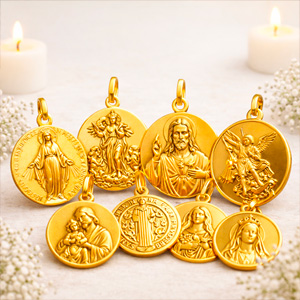
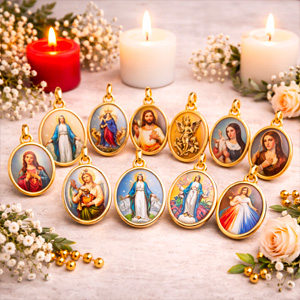
We can also place an intention before an image of the Virgin Mary or in a church. Parents can pray with their children, asking Mary to protect them and help them to grow in faith, peace and goodness.
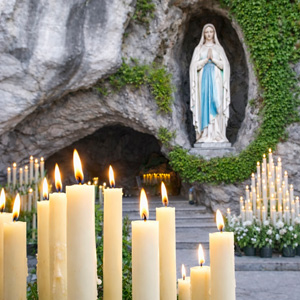
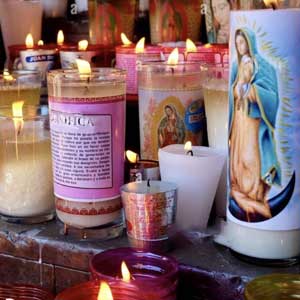
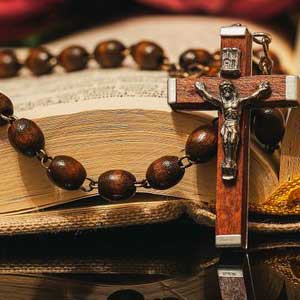
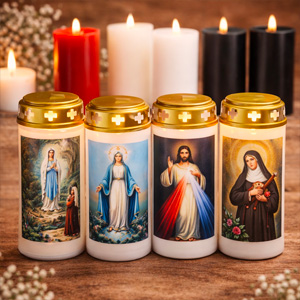
This feast day also invites us to make our home a place of prayer. A candle lit in contemplation, a short evening prayer, a rosary, a reading from the Gospel or a simple sign of the cross can help to place God at the heart of family life.
Finally, this feast encourages us to welcome the Lord into our everyday encounters. Offering one’s life to God does not mean turning away from the world. It means learning to look upon every person with greater patience, respect and charity.
Prayer to entrust ourselves to the Virgin Mary
Blessed Virgin Mary,
you who were offered to God
with a pure and willing heart,
teach us to live in trust.
Help us to entrust to the Lord
our plans, our worries
and the people we love.
Mother of Jesus,
make the desire to pray,
to serve and to follow God’s will grow within us.
Watch over our families,
our children and young people,
those in consecrated life
and all those who are seeking their path.
Mary, living temple of God,
lead us to your Son
and teach us to say to him every day:
‘Thy will be done.’
Amen.