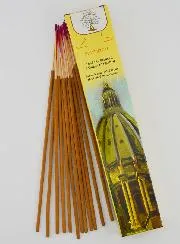
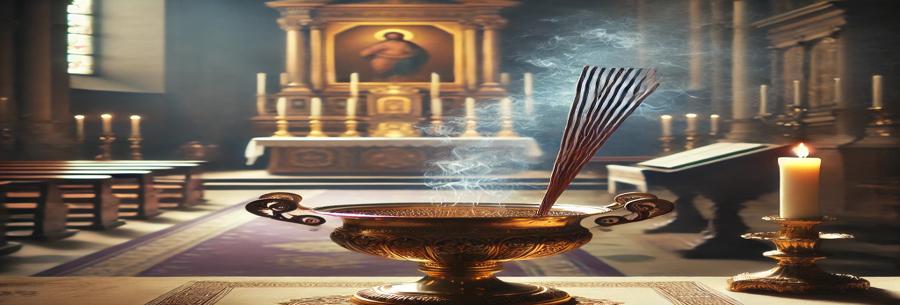
Pontifical Imperial Incense is an exceptional incense, used in Catholic liturgy to mark the grandeur and majesty of solemn ceremonies. Its name evokes the splendour and sacredness of the religious rites celebrated in the great cathedrals and basilicas, where incense smoke symbolises prayer ascending to God in an atmosphere of recollection and veneration.
This incense is particularly appreciated for its rich, enveloping fragrance, which combines precious resins and rare essences to create a spiritual atmosphere conducive to contemplation and prayer. Used at pontifical masses, major liturgical feasts and significant religious events, it adds a solemn and sacred dimension to celebrations.
Origins and History of Imperial Pontifical Incense
The use of incense in religious rituals dates back to ancient times, when it was used to honour deities and purify places of worship. In biblical tradition, it is mentioned several times, notably in Exodus, where God orders Moses to make pure incense to sanctify the sanctuary.
In Christianity, incense was quickly incorporated into the liturgy from the first centuries. It was used in Eucharistic celebrations, processions and blessings, marking the divine presence and sanctifying prayer spaces.
Pontifical Imperial Incense draws its inspiration from the most prestigious incenses used in pontifical and imperial ceremonies. During the Middle Ages and the Renaissance, incense was a central element of the great masses celebrated in the presence of sovereigns and dignitaries of the Church. It was reserved for services of great importance, testifying to the splendour and solemnity of Catholic rituals.
Today, this incense is still used for major liturgical feasts and official ceremonies, perpetuating an ancestral tradition that combines prayer, symbolism and spiritual elevation.
Composition and Characteristics
Pontifical Imperial Incense is distinguished by a harmonious blend of carefully selected natural resins and essential oils, creating a powerful and majestic fragrance.
Olibanum is the main element. This resin, extracted from the Boswellia tree, has been used since ancient times for its purifying properties and sweet, balsamic fragrance. It symbolises the prayer of the faithful ascending to God.
Myrrh adds a deeper, resinous note, reinforcing the intensity of the blend. It is often associated with rites of purification and consecration.
Benjoin adds a warm, vanilla touch, balancing the powerful aromas of olibanum and myrrh while imparting a sensation of softness and comfort.
Storax, with its woody, slightly smoky accents, enriches the complexity of the blend and gives it a unique depth.
Essential oils of cedar, sandalwood and rose can be added to sublimate the composition and bring subtle nuances to the fragrance.
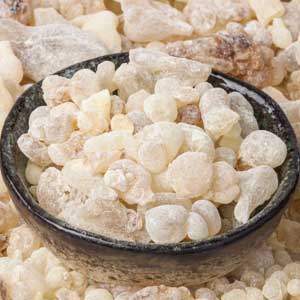
Visually, this incense takes the form of golden and amber grains, sometimes mixed with glittering crystals to evoke the richness and splendour of the imperial tradition. When burnt, it releases an abundant, enveloping smoke, creating an atmosphere of mystery and recollection.
Its Use in the Liturgy
Imperial Pontifical Incense is used in religious services to reinforce the sacred and solemn character of the celebration.
During solemn Mass, it is used to incense the altar, the priest, the faithful and the offerings. This rite symbolises the sanctification of the place and participants, as well as the elevation of prayers to God.
In processions and major liturgical feasts, such as Christmas, Easter and Corpus Christi, it accompanies the movements of the clergy and faithful, adding a sensory and spiritual dimension to the celebration.
Eucharistic adoration is another privileged moment for the use of this incense. It is often burnt in the presence of the Blessed Sacrament on display, reinforcing the atmosphere of recollection and contemplation.
At Christian funerals, incense is used to bless the deceased and symbolise the purification of his or her soul. It is spread around the coffin as a sign of homage and prayer for the repose of the deceased.
In certain special blessings and priestly ordinations, Imperial Pontifical Incense is chosen to mark the sacred and solemn nature of the event.
Pontifical Imperial Incense and its Contemporary Use
Although its main use is liturgical, Pontifical Imperial Incense is also appreciated outside churches for its olfactory qualities and soothing ambience.
Many believers use it in their personal prayers, burning a few grains on a glowing coal to encourage concentration and spiritual uplift.
In monasteries and religious communities, it is used to accompany daily services and reinforce the feeling of recollection and meditation.
In a wider context, this incense is sometimes used at sacred music concerts, historical re-enactments and cultural events linked to Christian spirituality. Its unique fragrance immediately transports those who inhale it to a world of mystery and faith.
How to Use Imperial Pontifical Incense At Home
To fully enjoy the benefits of this incense, we recommend using a censer and burning charcoal.
Light a piece of coal and let it heat up until it becomes incandescent. Then place a few grains of incense on the charcoal and let the smoke spread slowly around the room.
This incense can be used during prayer, meditation or simply to create a soothing, spiritual atmosphere.
It is best to air the space slightly after use to avoid excessive smoke concentration.
Conclusion
Pontifical Imperial Incense is a treasure of the Catholic liturgy, embodying the majesty and grandeur of religious celebrations. Its noble and refined fragrance, derived from a harmonious blend of resins and precious essences, makes it an exceptional incense to accompany the most sacred moments of the Christian faith.
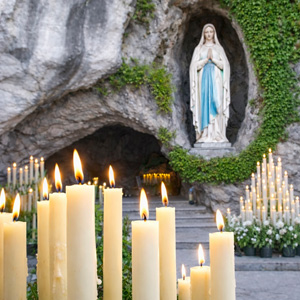
Whether in a cathedral lit with candles or in a more intimate place of prayer, it continues to lift souls and invite contemplation, reminding us that the prayers of the faithful ascend to God like a pleasant and pure incense.
.