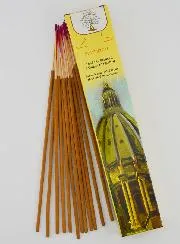
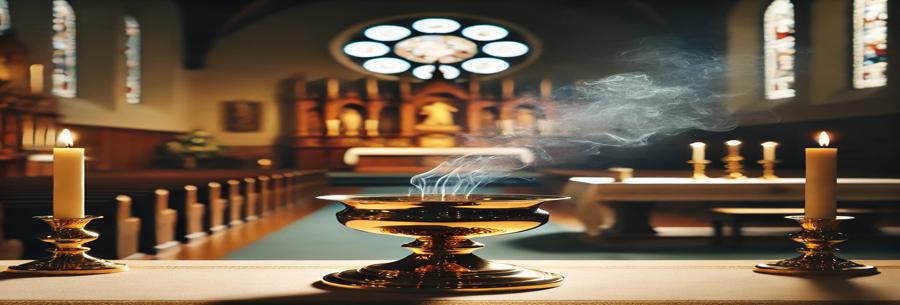
Pontifical Angelic Incense is a particularly refined and precious variety of incense, used in Catholic liturgy for its sublime olfactory qualities and deep spiritual symbolism. Its name evokes the purity, elevation and heavenly presence of angels, who are often depicted in Christian tradition as carrying the prayers of the faithful to God.
This incense is prized for its delicate, bewitching fragrance, which combines sweet, floral notes with resinous, balsamic touches, creating an atmosphere of contemplation and recollection. Used during major liturgical celebrations, it plays an essential role in pontifical offices and moments of solemn prayer.
Origins and History of Angelic Pontifical Incense
The use of incense in religious rites goes back several millennia and has its roots in ancient traditions. Used by the Egyptians, Greeks and Romans in their worship practices, it was adopted by Judaism in the rites of the Temple of Jerusalem before being incorporated into Christian celebrations.
In the Catholic tradition, incense is an essential liturgical element. It is mentioned in Sacred Scripture, notably in the Apocalypse of Saint John, where the angels present the prayers of the saints in the form of perfumes burnt on a heavenly altar. Pontifical Angelic Incense, in particular, evokes this spiritual offering and translates the mystical elevation of souls towards the divine.
Its formulation has been perfected over the centuries, particularly in the monasteries and specialist workshops that prepared incense for churches and cathedrals. Today it is one of the most highly prized incenses for its balanced olfactory qualities and its direct link with angelic and celestial symbolism.
Composition and Characteristics
Pontifical Angelic Incense is distinguished by a subtle combination of precious resins and aromatic essences, giving it a fragrance that is both sweet and powerful.
Olibanum forms the basis of most liturgical incenses. It is extracted from the Boswellia tree and gives off a pure, slightly lemony smoke, encouraging spiritual uplift and meditation. It is considered one of the most sacred incenses and symbolises the perfect offering.
Myrrh adds a deeper, resinous touch, reinforcing the spiritual dimension of incense. Associated since ancient times with religious and funeral rites, it evokes both purification and eternity.
Benzoin adds a vanilla and balsamic sweetness, balancing the more intense notes of frankincense and myrrh. Its comforting fragrance creates an atmosphere conducive to prayer and meditation.
Rose and orange blossom essential oils are often included in the composition of Angelica Pontifical Incense, giving it a subtle, heavenly floral note. These delicate aromas recall divine purity and grace.
Storax, with its slightly smoky and woody accents, enriches the complexity of the blend and reinforces the depth of the fragrance.
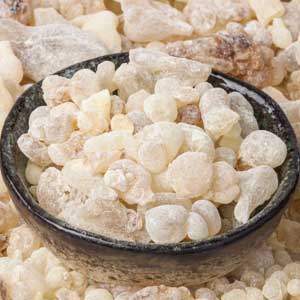
Visually, this incense takes the form of small grains or pieces of resin, sometimes coated in a fine white powder to preserve their aromatic properties. When burnt, it releases an abundant smoke that fills the space with an enveloping and mystical fragrance.
Its Use in the Liturgy
Pontifical Angelic Incense is used in many liturgical celebrations, where it brings a solemn and sacred dimension to religious services.
At solemn Mass, it is used to incense the altar, the offerings, the priest and the congregation. This ritual symbolises the sanctification of the place and the participants, as well as the elevation of prayers to God.
In processions and major liturgical feasts, such as Christmas, Easter and the Assumption, it accompanies the movements of the clergy and the veneration of relics and sacred images.
Eucharistic adoration is another privileged moment for the use of this incense. It is often burnt in the presence of the Blessed Sacrament on display, reinforcing the atmosphere of recollection and contemplation.
At Christian funerals, incense is used to bless the deceased, signifying the purification of their soul and their entry into eternity. It is also spread around the coffin as a sign of prayer for the repose of the deceased.
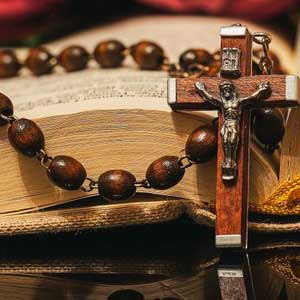
In certain personal or community prayer practices, Pontifical Angelic Incense is burnt to accompany the recitation of the rosary, spiritual meditation or times of silent adoration.
Pontifical Angelic Incense and its Contemporary Use
Although its main use remains liturgical, Pontifical Angelic Incense is increasingly appreciated for its olfactory qualities and soothing atmosphere.
It is often used in homes to create an atmosphere of serenity and recollection. Some believers use it during their daily prayers, burning a few grains on a glowing coal to encourage concentration and inner dialogue with God.
As part of well-being and relaxation, this incense is sometimes incorporated into meditation and spiritual renewal sessions. Its balanced, harmonious fragrance helps to create an atmosphere conducive to inner peace.
In certain monasteries and religious communities, Pontifical Angelic Incense is favoured for night services and prolonged times of prayer, where it contributes to a profound spiritual uplift.
How to Use Angelic Pontifical Incense at Home
To fully enjoy the benefits of this incense, we recommend using a suitable incense burner and burning charcoal.
Light a piece of charcoal and allow it to heat until it glows red. Then place a few grains of incense on the coal and watch the smoke rise slowly, filling the space with a heavenly fragrance.
It is advisable to use this incense in a moment of prayer or meditation, accompanying it with spiritual readings or sacred music to enhance the experience of recollection.
Conclusion
Pontifical Angelic Incense is much more than just a perfume used in religious ceremonies. It is a bridge between the earthly world and the divine, a symbol of prayer and spiritual elevation. Its unique fragrance, combining floral sweetness and resinous depth, makes it an exceptional incense that accompanies the faithful in their quest for the sacred and transcendent.
Whether in a cathedral, a monastery or a home in search of spirituality, it continues to inspire and uplift souls, recalling the beauty and purity of the angels who, according to Christian tradition, intercede ceaselessly on our behalf before the throne of God.