Incense in the Bible, an offering pleasing to God
Incense occupies an important place in the Scriptures and runs throughout salvation history. Used as early as the Old Testament in Hebrew worship, it symbolises prayer to God, purification and the divine presence. In the New Testament, it is associated with the recognition of Christ's divinity and heavenly worship. The Bible makes numerous references to incense, both in the rites of the Temple and in the prophetic visions and practices of the first believers. Each passage highlights a particular aspect of the role of incense in the relationship between God and his people.
Incense as an offering in the Old Testament
Incense appears very early in the Bible as a sacred offering intended exclusively for God. In the book of Exodus, God gives Moses precise instructions concerning the altar of incense and the composition of the incense that is to be burnt on it.
In Exodus 30:34-38, the Lord commands:
"Take spices, storax, sweet-smelling nail, galbanum, pure spices and incense in equal parts. You shall make a perfume composed according to the art of the perfumer, salty, pure and holy. You shall grind some of it into powder and put it before the Testimony in the Tent of Meeting, where I will meet you. It will be most holy for you. As for the perfume you make, you shall not make it for yourselves with the same ingredients. It will be holy for you, consecrated to the Lord. Anyone who makes something like it to breathe its fragrance will be cut off from his people."
This passage shows that incense was not a simple perfume but a sacred offering reserved for divine worship. Its profane use was strictly forbidden on pain of punishment.
In Exodus 40:26-27, Moses applied this prescription when he consecrated the Tabernacle:
"And he set the golden altar in the Tent of Meeting before the veil, and burnt sweet-smelling incense on it, as the Lord had commanded Moses."
The incense was therefore burnt on the golden altar morning and evening as a sign of continuous prayer and divine presence among the people of Israel.
In Leviticus 16:12-13, incense plays a key role on Yom Kippur, the great day of atonement:
"He shall take a brazier full of burning coals from the altar before the Lord, and two handfuls of fragrant incense in powder form, and he shall carry this behind the veil. He shall put the incense on the fire before the Lord, and the smoke of the incense shall cover the mercy seat which is on the Testimony, that it may not die."
This passage shows that the smoke of the incense also served as a protective veil between the priest and the presence of God, guaranteeing respect for the sacred.
Psalm 141:2 expresses this same symbolism by comparing prayer to the smoke of incense:
"Let my prayer before you rise like incense, and the lifting up of my hands like the evening offering."
The image of smoke rising towards heaven reflects the desire of believers to see their supplications reach God in a movement of spiritual elevation.
Incense in prophecy
The prophets sometimes denounce the hypocritical use of incense when it is not accompanied by sincere faith.
In Isaiah 1:13, God declares:
"Stop bringing useless offerings, incense abhors me, new moons, sabbaths, assemblies, I cannot see crime associated with solemnities."
This passage shows that outward rites are not enough to please God if they are not accompanied by a pure heart and true righteousness.
Jeremiah makes the same reproach in Jeremiah 6:20:
"What do I care for the incense that comes from Sheba or the aromatic cane from a far country? Your burnt offerings do not please me and your sacrifices are not pleasing to me."
These passages remind us that incense, although important in worship, must be an outward sign of sincere inner faith and not a mere ritual act devoid of meaning.
Incense in the New Testament
In the New Testament, incense is associated with the birth of Jesus and his worship as King and Son of God.
In Matthew 2:11, the Magi offer incense to the newborn Christ:
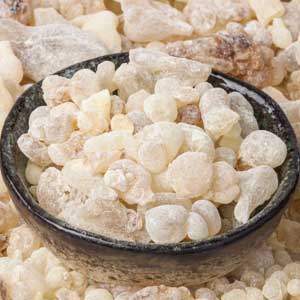
"They entered the house, saw the child with Mary his mother, and falling to their knees, they bowed down before him. They opened their caskets and offered him gifts of gold, frankincense and myrrh."
Incense here represents the divinity of Christ, as it was traditionally used to honour God.
In the Apocalypse, incense appears in the heavenly visions of Saint John where it is associated with the prayers of the saints.
In Revelation 5:8:
"When he had received the book, the four Living Ones and the twenty-four Elders fell down before the Lamb, each holding a harp and golden bowls full of incense, which are the prayers of the saints."
In Revelation 8:3-4, incense is offered on the heavenly altar:
"Another angel came and stood by the altar, holding a golden censer. And there was given to him much incense, that he might offer it with the prayers of all the saints upon the golden altar which is before the throne. And the smoke of the incense rose with the prayers of the saints from the angel's hand before God."
This passage highlights the continuity between earthly prayer and heavenly prayer, symbolised by incense. It reminds us that the prayers of believers are gathered up and presented before God in an act of eternal worship.
Incense runs throughout the Bible as a central element of worship and prayer. In the Old Testament, it was a precious offering, a sign of purification and an essential part of the Temple in Jerusalem. In the New Testament, it became a symbol of Christ's divinity and of the believers' prayer to God. More than just a ritual, it is a material expression of faith, a link between earth and heaven, a reminder that all sincere prayer rises to God like pleasant, pure incense.