Incense, a central element of Christian worship
Incense occupies an important place in the Christian liturgy and more broadly in spiritual practices. Used since ancient times to mark the sacred, purify places and accompany prayer, it symbolises the rising of supplications to God and the divine presence among the faithful. Its use is not limited to Sunday Masses, but can be found on many liturgical and spiritual occasions. It is used on the major feasts of the Christian calendar, for the blessing of the sacraments and for moments of personal recollection. Each use of incense takes on a particular meaning, strengthening the link between the faithful and the transcendent dimension of faith.
Incense at Mass
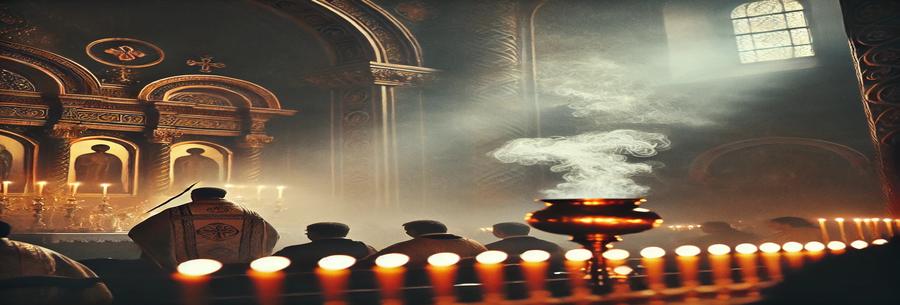
Incense is a central element of solemn Mass, particularly in Catholic and Orthodox liturgy. It is used at several key moments to sanctify the spaces and mark God's presence. At the start of the service, it can be used during the entrance procession, when an altar server swings the censer to accompany the arrival of the priest and the celebrants. This gesture underlines the entry into a sacred time and recalls the presence of Christ within the assembly.
At the time of the proclamation of the Gospel incense is often used to honour the Word of God. The priest or deacon incenses the gospel book before reading it symbolising respect and veneration for the Scriptures. During the offertory incense is also sprinkled over the bread and wine offerings before they are consecrated recalling the Eucharistic transformation and the union of the prayers of the faithful with Christ's sacrifice.
In some Masses, particularly those celebrated by a bishop or on major liturgical feasts incense is also used to incense the altar the priest the faithful and sometimes even the entire building. This ritual expresses the sanctification of people and places marking the divine presence and spiritual communion between believers.
Incense in liturgical feasts
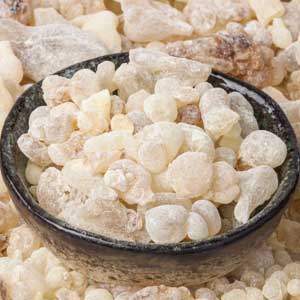
Incense is particularly present on the major feasts of the Christian calendar where it helps to create an atmosphere of solemnity and recollection. At Christmas it is used to recall the offering of the Three Wise Men who brought gold myrrh and frankincense to the Christ Child. Its fragrance then envelops the church in a scent symbolising Christ's divinity.
At Easter incense accompanies the Easter vigil and celebrations of Christ's resurrection. It is often used during the lighting of the Paschal candle and during the proclamation of the Exultet the great prayer of praise that opens Easter night. This fragrant smoke is a sign of Christ's victory over death and of the light that illuminates the darkness.
At Pentecost incense symbolises the coming of the Holy Spirit. It is used to mark the descent of the Holy Spirit on the apostles and to recall the divine breath that animates the Church. During Corpus Christi or the Solemnity of the Blessed Sacrament incense often accompanies processions where the consecrated host is carried through the streets as a sign of veneration.
Incense in funerals and prayers for the deceased
Incense plays an important role in Christian funeral rites. It is used to honour the body of the deceased and express hope in eternal life. At funerals, it is often spread around the coffin during the prayers and blessings. The rising smoke symbolises the soul of the deceased rising to God carried by the prayers of the living.
In Orthodox and Catholic liturgy incense is also used during commemorations of the deceased such as All Saints' Day and All Souls' Day. It accompanies prayers of suffrage and masses celebrated in memory of the souls in purgatory. This gesture recalls the Christian belief in the communion of saints and the intercession of the living for souls awaiting purification.
Incense in blessings and sacraments
Incense is often used during blessing ceremonies whether it be the consecration of a new altar the inauguration of a church or the blessing of sacred objects. It is used to purify and sanctify these spaces and objects by dedicating them to God.
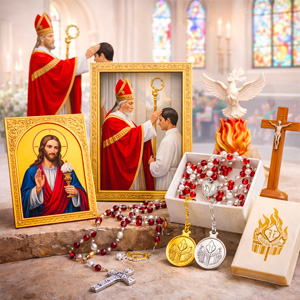
In certain sacraments such as confirmation priestly ordination or the consecration of a nun incense can be used to mark the importance of the moment and signify the presence of the Holy Spirit. It accompanies the prayers and the laying on of hands, reinforcing the sacred nature of the ceremony.
Incense in personal prayer
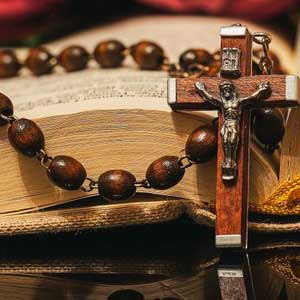
Beyond its liturgical use incense can be used in personal prayer and recollection. Many Christians choose to light incense in their homes during moments of meditation or praying the rosary. Its fragrance helps to create an atmosphere conducive to contemplation by reminding us of the sacred dimension of our relationship with God.
Some of the faithful also use it while reading the Scriptures or before going to bed to encourage inner peace and spiritual connection. In monasteries incense is commonly used to accompany the offices of hourly prayer, particularly vespers and compline, which bring the day to a serene close.
Incense is much more than just a perfume used in churches. It is a powerful symbol of God's presence of prayer rising to heaven and of the sanctification of people and places. Its use in the liturgy during the great feasts of the sacraments and funeral rites testifies to its importance in the Christian tradition. But beyond official ceremonies, it can also accompany personal prayer, helping believers to enter into a deeper relationship with God. Whether in a cathedral during a solemn mass or at home in a moment of recollection, the smoke of incense is a constant reminder that all sincere prayer rises to heaven borne of faith and hope.