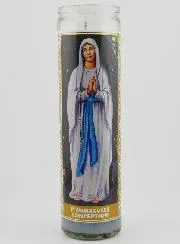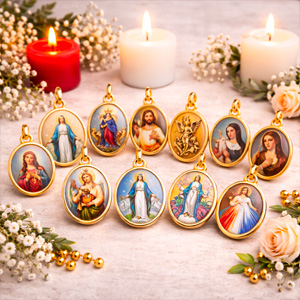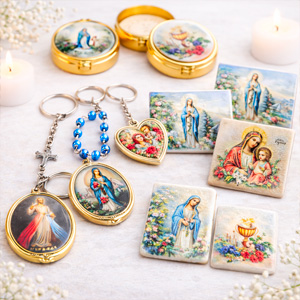
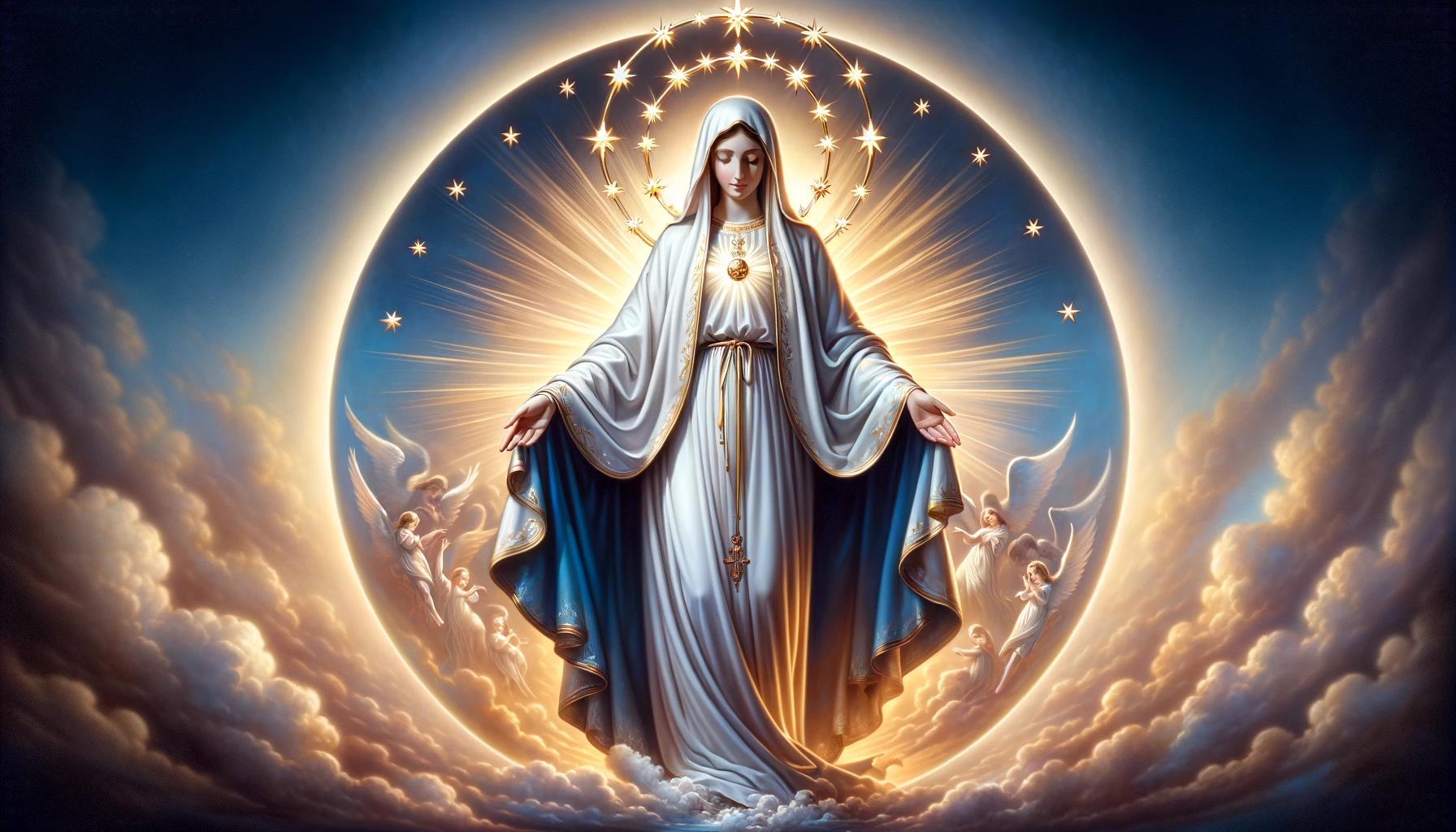
The Feast of the Immaculate Conception, celebrated each year on 8 December, is one of the most important solemnities in the Catholic liturgical calendar. It commemorates the dogma proclaimed in 1854 by Pope Pius IX, affirming that the Virgin Mary was preserved from original sin from the first moment of her conception. This feast highlights the unique purity and holiness of Mary, chosen by God to become the mother of the Saviour, and invites believers to reflect on divine grace and their own path to holiness.
Origins and foundations of the feast
1. Biblical and theological roots
Although the dogma of the Immaculate Conception was formally defined in the XIXᵉ century, belief in Mary's exceptional holiness dates back to the first centuries of the Church. It is based on several biblical passages and Tradition:
Genesis 3:15 (Protoevangelium): God promises that a woman and her descendants will crush the head of the serpent. This woman, interpreted as a prefiguration of Mary, is seen as free from sin.
Luke 1:28: At the Annunciation, the angel Gabriel greets Mary as "filled with grace", indicating her full communion with God from the beginning of her existence.
The Fathers of the Church, such as St Irenaeus, meditated on Mary's unique role in salvation history, presenting her as the "new Eve", whose obedience enabled the redemption of humanity.
2. The development of the feast
The celebration of the Immaculate Conception took shape gradually. As early as the VIIᵉ century, the Eastern Church honoured Mary's conception in the womb of her mother, Saint Anne. In the IXᵉ century, this devotion spread to the West, where it was particularly promoted by the Franciscans in the Middle Ages.
In 1476, Pope Sixtus IV introduced the feast of the Immaculate Conception into the Roman liturgical calendar, marking a decisive turning point in its universal recognition.
The proclamation of the dogma
On 8 December 1854, Pope Pius IX solemnly proclaimed the dogma of the Immaculate Conception in the bull Ineffabilis Deus. The following is an extract from this declaration:
"We declare, proclaim and define that the doctrine which holds that the Blessed Virgin Mary, at the first instant of her conception, was, by a singular grace and privilege of Almighty God, in view of the merits of Jesus Christ, the Saviour of the human race, preserved intact from all stain of original sin, is a doctrine revealed by God and for this reason must be firmly and constantly believed by all the faithful."
This proclamation was welcomed with joy by the faithful, reinforcing devotion to Mary as a model of purity and obedience to God.
Lourdes and the confirmation of the dogma
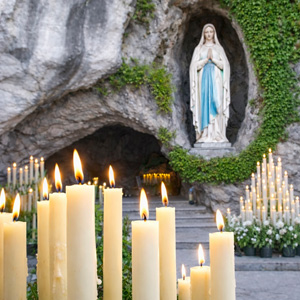
Four years after the dogma was proclaimed, in 1858, the Virgin Mary appeared to Bernadette Soubirous at Lourdes. During these apparitions, Mary introduced herself by saying, "I am the Immaculate Conception." These words, spoken by a young illiterate girl who did not know the theological meaning of the expression, were interpreted as divine confirmation of the dogma. Lourdes has since become a worldwide place of pilgrimage, where millions of the faithful come to pray to Mary and ask for graces of healing and peace.
The spiritual significance of the feast
1. A celebration of divine grace
The feast of the Immaculate Conception highlights the action of God's grace in Mary's life. Preserved from original sin, she is a model of purity and availability to the divine will. Her holiness is a reminder that grace can transform and sanctify our lives, despite our imperfections.
2. A call to holiness
Mary, by her sinless life, is a model for all Christians. The feast of the Immaculate Conception invites believers to reject sin and to seek to live in harmony with God's will.
3. An encouragement to trust
By contemplating Mary's unique role in the plan of salvation, the faithful are invited to place their trust in God, who acts in each person's life with love and mercy.
4. A prayer for families
The feast of the Immaculate Conception is also an opportunity to entrust families to Mary's intercession, particularly for their unity, peace and spiritual growth.
Liturgical celebrations
The feast of the Immaculate Conception is marked by solemn Masses, Marian processions, and specific prayers. The biblical readings chosen for this solemnity, particularly Luke 1:26-38 (the Annunciation), emphasise Mary's holiness and her faith-filled response to God's call.
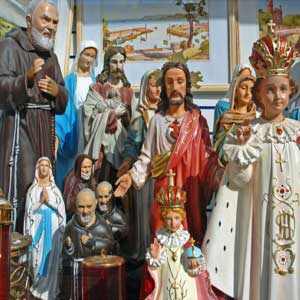
In many communities, this feast is also an opportunity to bless statues or images of the Virgin, and to organise novenas in her honour.
Conclusion
The feast of the Immaculate Conception is much more than a theological commemoration: it is an invitation to contemplate God's love and grace through the figure of Mary. In celebrating this solemnity, believers are called to renew their commitment to live according to Gospel values and to follow the example of the Virgin Mary, model of purity, faith and holiness. Through the Immaculate Conception, the Church reminds us that divine grace can transform our lives and lead us along the path to salvation.